Access Home Support
Discover the Fundamental Value of Insurance for Fiscal Stability and Tranquility
Insurance is vital in protecting against life's unexpected difficulties. It establishes a basis for economic stability, offering protection from mishaps, sicknesses, and damage to assets. Grasping the various types of coverage available can significantly affect one's economic well-being. Moreover, selecting wisely about insurance policies ensures that individuals and families are sufficiently ready for unexpected events. As the conversation unfolds, it is evident how these factors foster a sense of security and well-being.
Exploring Various Forms of Insurance Protection

While many individuals acknowledge the value of insurance, they frequently miss the various types of coverage available. Each type serves a distinct purpose and caters to diverse situations. Health insurance, for instance, gives fiscal support for healthcare costs, making sure you can get to required medical care. Auto insurance protects against losses related to automobile mishaps, theft, and damage, giving assurance on the road. Homeowners insurance secures belongings against risks like fire, theft, and catastrophic events, building assurance for homeowners. Moreover, life insurance acts as a fiscal safeguard for beneficiaries in the event of the policyholder's passing. Other forms, such as tenant coverage and liability coverage, cover particular situations that individuals may come across in their lives. Grasping these varied choices is crucial for making informed decisions about individual fiscal safety and ensuring permanent stability.
The Role of Insurance in Risk Management
Insurance is fundamental in risk management by offering an organized method to lessening potential financial practical resource losses. Both companies and people utilize insurance as a proactive measure to shift liability from themselves to an insurer, thereby minimizing their exposure to unforeseen events. By analyzing potential hazards, insurance products are designed to handle specific needs, whether it be asset loss, liability, or medical concerns.
In managing exposure, insurance serves as a financial safety net. This allows companies and people to recover from negative events without incurring devastating costs. Furthermore, the known cost of coverage facilitates improved financial forecasting and budgeting. By including insurance into a comprehensive risk management strategy, entities can focus on growth and development, knowing that they are safeguarded against potential setbacks. In conclusion, the importance of insurance for risk mitigation builds strength, providing steadiness in the face of uncertainty.
Protecting the Finances of You and Your Family
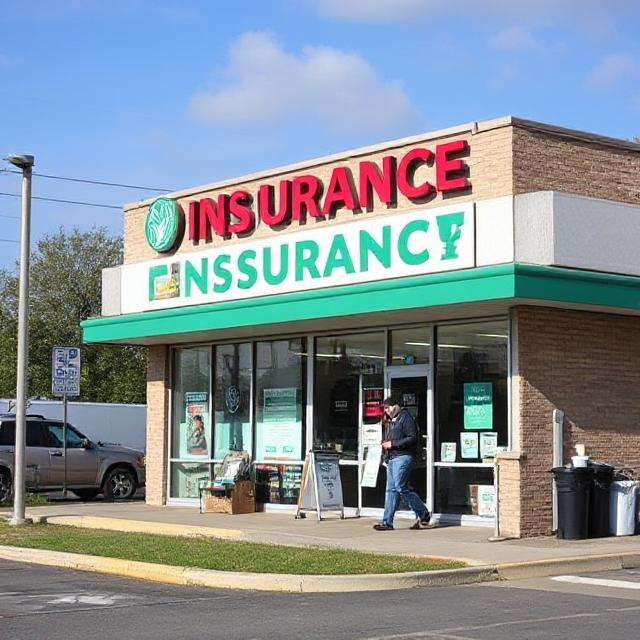
When families focus on financial protection, they create a safety net that safeguards their loved ones against unpredictable problems. Coverage is crucial in achieving this goal, making available various plans that shield families from substantial financial burdens resulting from accidents, illnesses, or unexpected events. Health insurance, specifically, covers healthcare bills, allowing families to receive required medical care without bankrupting their savings.
Life insurance provides additional security by offering a financial payout to beneficiaries in the event of the policyholder's death, allowing families to maintain their quality of life. Renters or homeowners policies shield against property damage or loss, adding another layer of financial security for the family.
Achieving Peace of Mind with Extensive Protection
Extensive coverage offers families a robust framework for safeguarding their financial well-being, boosting the confidence that comes from knowing they are prepared for a multitude of future risks. Thanks to comprehensive coverage, individuals can face life's unknowns without the constant worry of unforeseen expenses. This assurance permits families to pay attention to their normal activities, fostering stronger relationships and overall happiness.
Furthermore, comprehensive protection typically involves various aspects such as health, property, and liability protection, which together help create a more secure financial outlook. If families are certain they have proper safeguards, they are more likely to pursue opportunities, such as furthering education or purchasing property, without the risk of jeopardizing their investments due to unforeseen circumstances. In the end, the confidence offered by comprehensive protection gives families the ability to live completely, certain that a secure net exists for the uncertain times life brings.
Making Informed Decisions About Insurance Policies
How can people ensure they select the optimal options when picking insurance plans? To answer this, thorough research is imperative. Individuals should start by assessing their unique requirements and monetary standing, which enables them to identify the types of coverage required. Comparing multiple insurance providers is crucial, as it highlights differences in rates, excess amounts, and policy maximums. Additionally, looking at consumer feedback and checking objective evaluations gives information about the trustworthiness of insurance companies.
Knowing the contract details is also fundamental; policyholders should comprehend what is covered and all limitations to prevent future unexpected issues. Consulting professional insurance representatives can further clarify complex options and help in tailoring policies to suit individual situations. In the end, making educated choices about insurance policies involves careful consideration of options, thorough inquiry, and understanding individual necessities, guaranteeing optimal security and financial security.
Frequently Asked Questions
What Causes Insurance Rates to Differ Based on Risk Factors?
Policy costs differ based on elements like age, health, location, and history of filing claims. Greater calculated risks often cause increased premiums, while minimal hazards often provide savings and advantageous costs for clients.
Am I Able to Modify My Coverage Mid-Policy?
Absolutely, people are able to modify their insurance coverage mid-policy. But, modifications could influence premiums and require approval from the insurer. It is best to check the policy terms and consult with an insurance representative for guidance.
What Happens if I Miss a Premium Payment?
In the event a payment is not made, the policyholder is usually granted a grace period to make the payment. Failure to pay can result in policy cancellation, loss of coverage, and problems securing future coverage.
Are There Tax Benefits for Having Particular Insurance Policies?
Indeed, particular insurance policies, such as health and long-term care insurance, can offer tax advantages. The payments may sometimes be subtracted from taxable income, helping create monetary advantages and savings opportunities for clients.
How Does Claims Processes Differ Between Insurance Providers?

Claims processes differ significantly between insurance providers, where some requiring thorough documentation and others offering easy online submissions. Speed, customer assistance, and transparency also vary, affecting the overall experience for insured parties during the claims process.